

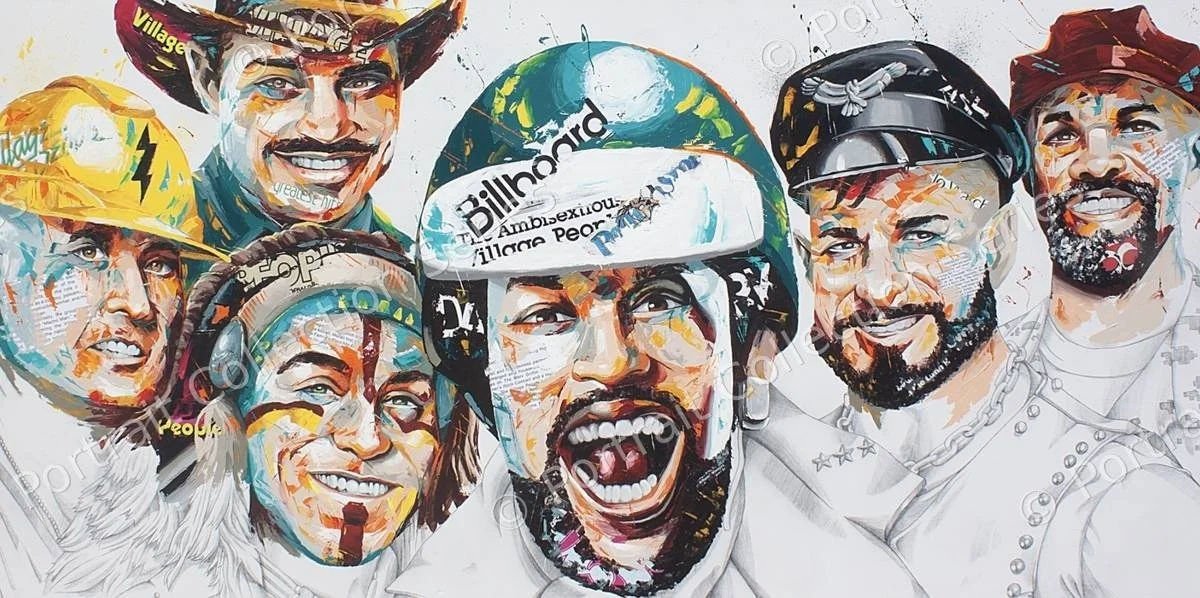
"Put on your platform shoes and grab your sequins! 🪩✨ In the 1970s, a new sound took over dance floors around the globe, and the world couldn't stop moving. Disco gave us mirror balls, legendary clubs and some of the catchiest songs ever written. It even survived a night when people tried to blow it up! Join us as we dance through the story of disco, from underground parties to Village People and Boney M. 💃🕺 #Disco #DiscoFever #VillagePeople #BoneyM #YMCA #ArtistryInSound #PortraitCollectionSeries"
Born on the Dance Floor
Disco started as a mix of music from venues popular with African American, Latino and Italian American communities in New York City, Philadelphia and Baltimore, from the late 1960s into the 1970s. Its heart was the club: discotheques, nightclubs and private loft parties where DJs kept people dancing all night.
Sound was everything. At his famous parties at The Loft, host David Mancuso introduced powerful systems with clusters of small speakers above the dance floor and extra subwoofers for the bass. DJs such as Larry Levan of the Paradise Garage and Frankie Knuckles became stars in their own right, inventing ways to blend one song seamlessly into the next.
Studio 54 and the Glitter Years
On April 26, 1977, Steve Rubell and Ian Schrager opened Studio 54 at 254 West 54th Street in Manhattan, in a building that had begun life in 1927 as an opera house and later served as a CBS broadcast studio. It quickly became the most famous club in the world, known for its celebrity guests and its legendary door policy.
That same year, two releases helped carry disco everywhere. The film Saturday Night Fever (1977) made disco dancing a worldwide craze, and Donna Summer's "I Feel Love" (1977), produced by Giorgio Moroder, became one of the first disco tracks to build its beat on a synthesizer. You can still hear its influence in dance music today. 🎛️
Y.M.C.A.!
Few groups captured the fun of disco like Village People. The group was formed by French producers Jacques Morali and Henri Belolo with lead singer Victor Willis, after Morali and Belolo moved to New York in 1977. The name came from Manhattan's Greenwich Village, and their stage costumes turned each member into a character.
Their biggest hit, "Y.M.C.A.," was released in October 1978. Its music video was filmed in New York City in July 1978, largely at the McBurney YMCA on West 23rd Street. And of course, there's the dance: everyone spelling out the four letters with their arms! 🙌
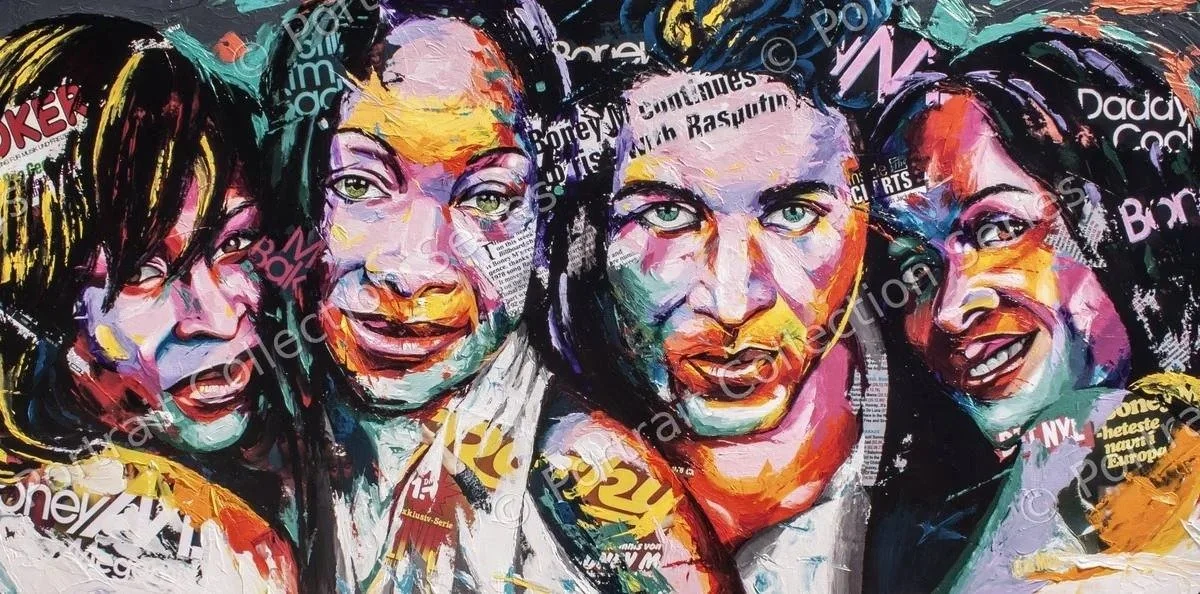
Disco Fever ☆ How the Mirror Ball Lit Up the World
The Night They Tried to Blow Up Disco
Disco's success also sparked a backlash among some rock fans. On July 12, 1979, the Chicago White Sox held a promotion called Disco Demolition Night at Comiskey Park with anti-disco radio host Steve Dahl. The team hoped for about 20,000 fans. At least 50,000 showed up. Between games of a doubleheader against the Detroit Tigers, a crate full of disco records was blown up on the field, fans rushed onto the grass, and the field was so damaged that the White Sox had to forfeit the second game.
Disco Never Died
The mirror ball didn't stop spinning. Disco went on to become a key influence on electronic dance music, house music, hip-hop, new wave and more, and it has enjoyed several revivals since the 1990s. Every time a DJ blends two songs, or a pop star releases a shimmering dance track, disco is right there on the floor. 🪩
Final Thoughts
Disco was more than a sound. It was a place where people could come together, dress up, be themselves and dance until sunrise. Nearly fifty years later, its joy is still contagious, and its hooks are still impossible to resist.
Which disco song gets you dancing the fastest? Share your thoughts with us in the comments below! 💫
Bring the party home with "Catchy Hooks" and "Babylon," and discover the rest of our Legends Portrait Collection.
